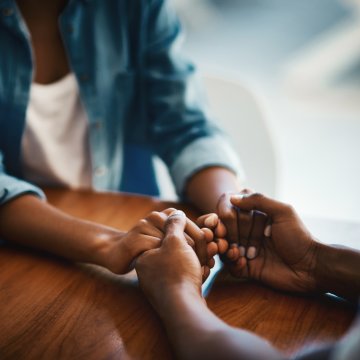
When I was growing up, other people thought of my father as a good man — a church leader and a pastor; a great speaker; wonderful, kind, and amazing.
But behind closed doors — when no one was looking — he was abusive.
Abusive to my siblings, to my mother and to me. He used religion as a means to get us to follow his narcissistic commands. While the bulk of his daily abuse was physical, it took many forms. And while the scars on my body have since faded, the psychological scars it left on me will last me the rest of my life.
Though I’ve been out of his house since 2012, for years I was incredibly reluctant to discuss the experience. But as my journey as a survivor has progressed, I’ve realized the need to talk about abuse is an important one. For many survivors — male survivors in particular — the door to healing can be hard to open. The echoes of what happened years ago can still haunt you as an adult.
For abuse survivors, self-doubt and subconscious fears from years of trauma can be deeply implanted; they might be carrying years’ worth of pent-up emotions with them — things like anger, angst, shame, and hatred.
These emotions might seem like they can stay safely locked up and hidden, but the longer they are carried around, the more likely they are to burst open at the wrong moments. Not to mention that navigating through life holding onto this burden by yourself can be a harrowing experience.
That’s why the support of those in our lives is so essential. Unfortunately, many people in relationships with abuse survivors don’t know exactly how to do that. One upshot of that is that dating and getting married can be unexplainably hard for those who have gone through abuse during their youth.
Below, you’ll find some key factors men in relationships with abuse survivors should know based on things I’ve learned from my own relationship with my husband, conversations I’ve had with male abuse survivors and input from trauma therapists and mental health experts.
RELATED: How to Be Romantic, Explained
RELATED: How to Support Sexual Assault Survivors
A person who has survived abuse is a force to be reckoned with. Healing after years of abuse is an incredible example of strength. Your partner went through hell and came through it, but they need to know they don’t have to be strong all the time. Give them a shoulder to lean on, and space to show weakness. Acknowledge their pain and let them get it out in the open.
Above all, be patient with your partner. Just knowing you’re behind them 100 percent, no matter what, will mean more than you’ll ever fully understand.
You Might Also Dig: